
When To Go To A Chiropractor After Whiplash

You may consider seeing a chiropractor within 24 to 48 hours after whiplash if symptoms are mild and there are no red flags. Seek emergency care for severe symptoms. Early evaluation helps guide treatment and document the injury, especially after an accident.
If the whiplash injury is related to an accident, some individuals may ask, “Can I sue for whiplash injuries?” The answer is, it depends on the situation. A personal injury lawyer can evaluate your case and assess whether you have a viable claim. They can also help you understand how documentation and treatment may affect a potential claim.
What whiplash actually does (and why symptoms can show up later)
Whiplash is a soft-tissue neck injury caused by rapid back-and-forth motion, often from car accidents, falls, or sports-related impacts.Symptoms may appear 24 to 72 hours later due to delayed inflammation and muscle response.
Common symptoms include:
- Neck pain and stiffness
- Headaches
- Reduced range of motion
- Dizziness
- Numbness or tingling in the arms
Even low-impact accidents can cause significant injury. Low speed does not always mean low injury, especially if your head was turned, you were surprised, or you got hit at an odd angle.
Early evaluation matters because it lets a provider:
- Document what is going on early (before it changes)
- Rule out red flags
- Start the right plan instead of guessing
When you should go to the ER first
Go to the ER before any chiropractic treatment.
Go to the ER immediately if you experience:
- loss of consciousness
- severe or worsening headache
- vomiting or confusion
- vision or speech issues
- weakness or numbness
- balance problems
- suspected fracture or severe neck pain
Also consider ER care after high-impact crashes, rollovers, or head injuries.
If you are reading this and thinking, “I am not sure if mine counts.” That is your answer. Get a medical evaluation first.
Chiropractor vs medical doctor for whiplash: who to see, and in what order
People get stuck here because they think they have to pick one. You usually do not. The best outcomes are often co-managed care when it makes sense.
A medical doctor or urgent care visit is best for:
- Ruling out fracture, concussion, or neurologic injury
- Prescribing medication if needed (pain control, muscle spasm relief)
- Ordering imaging based on exam findings and decision rules
A chiropractic evaluation can be appropriate early if:
- Symptoms are mild to moderate
- There are no red flags
- Your main problems are stiffness, headache, reduced range of motion, muscle tightness, and upper back pain
Medical first, then chiropractic is smart if:
- Pain is severe
- You have numbness, weakness, or radiating arm symptoms
- You are unsure what is going on
- You already went to the ER and want follow-up care once cleared
A good chiropractor will refer out if something does not fit the typical whiplash pattern. That is what you want, honestly. Conservative care, with good judgment.
So… when to go to a chiropractor after whiplash (a practical timeline)
Here is the time-based framework that tends to work well.
Same day or within 24 hours
If you have no red flags, schedule an injury evaluation. Early evaluation is useful for:
- Range of motion testing
- Neurologic screening
- Identifying which tissues are most involved (neck, upper back, shoulder girdle)
- Establishing baseline documentation after an accident
- Starting gentle care and home guidance
Within 48 hours
If symptoms are ramping up (which is very common), do not panic. But do not ignore it either. This is a good window to start structured care if pain, headaches, or stiffness are clearly present.
Week 1
If any of these are true, do not “wait it out”:
- Headaches continue
- Sleep is affected
- Driving is uncomfortable (checking blind spots hurts)
- Computer work makes symptoms spike
- You feel stuck, guarded, or stiff all day
Week 1 is often where people either start improving… or start compensating.
After 2 to 3 weeks
If you are still clearly limited, this is where care should escalate, meaning:
- Re-evaluation with objective measures (range of motion, strength, neurologic recheck)
- Consider imaging or referral if you are not trending better
- Adjusting the plan, adding rehab progression, or coordinating with your MD
Waiting until pain becomes chronic makes recovery slower. And if the injury is accident-related, delayed care can also create gaps in documentation that are hard to explain later.
What happens at a whiplash chiropractic evaluation
A proper evaluation includes:
- Injury history and symptom timeline
- Physical exam and range of motion testing
- Basic neurological screening
- Documentation of functional limitations
Early care is typically gentle and adjusted based on symptoms.
Do you need imaging (X-ray or MRI) before chiropractic treatment?
Not automatically.
Imaging is not always required. It depends on symptoms and exam findings.
X-rays may help assess structural issues. MRI may be used if symptoms persist or involve nerves.
Coordination matters here. A chiropractor can refer for imaging when appropriate or request your ER or urgent care records to ensure treatment stays safe and specific.
Whiplash chiropractic treatment options
The best whiplash plans are not one magic adjustment. They are usually a progression.
Treatment often includes:
- Gentle spinal manipulation or mobilization (as appropriate)
Used to restore motion, reduce joint irritation, and calm protective muscle guarding. Sometimes mobilization is a better early fit than high velocity techniques, depending on the patient. - Soft tissue work
To address the tight neck and upper back muscles that are overworking after the injury. - Corrective exercise and rehab
The early phase might be simple movement and motor control. The latter phase is strengthening and endurance, so you can tolerate work, driving, and workouts again. - Ergonomics coaching
Things like headrest position, pillow support, screen height, and micro breaks. Small changes, big difference. - Adjunct therapies (case dependent)
Depending on the clinic, heat or ice guidance, electrical stimulation, ultrasound, or traction. Not required for everyone, but sometimes helpful.
The plan should be personalized and should progress. Relief, then restore motion, then strengthen, then prevent recurrence.
If you want to see what general treatment options look like at the clinic, you can review Saviano’s chiropractic care page.
Risks of untreated whiplash (why “I’ll just wait” can backfire)
Some people do improve on their own. But untreated whiplash can also become the kind of thing that never fully leaves.
Here is how it can backfire:
- Persistent inflammation keeps tissues irritated
- Muscle guarding becomes the new normal
- Range of motion stays reduced, so you move differently without realizing it
- Altered movement patterns lead to overload in the upper back and shoulders
Downstream issues can include:
- Chronic headaches Chronic neck or upper back pain
- Dizziness or balance discomfort
- Sleep disruption
- Reduced work capacity and focus
- Fear avoidance, you stop turning your head, stop exercising, and stiffness feeds itself.
Chronic cases usually take longer and cost more to rehab. That is just reality.
And for accident-related injuries, delaying care can create gaps in records that insurers sometimes use to question severity. Again, not legal advice, just the pattern people run into.
Typical recovery timeline: what’s normal, what’s not
No guarantees, because everyone is different. But realistic ranges help.
- Mild whiplash: often improves within days to a few weeks
- Moderate cases: may take several weeks, sometimes longer, especially if headaches and upper back involvement are significant
- More complex cases: can extend beyond that, particularly if there are neurologic symptoms, disc involvement, or high stress and poor sleep
Why treatment records matter after a car accident
This is the part many people do not think about until they are already weeks behind.
If you were injured in a car accident, documentation helps by:
- Establishing when symptoms started
- Tracking objective findings (range of motion, strength, neurologic findings)
- Showing consistent care and response to treatment
- Connecting functional limitations to the injury (work restrictions, driving limitations, sleep issues)
Records often include:
- Diagnosis codes
- Exam findings
- Treatment plan and frequency
- Visit notes and progress measures
- Discharge status when you are done
“Gaps in care” are a problem because long breaks without a documented reason can complicate the story of the injury.
A few practical tips:
- Keep a simple symptom journal (pain level, headache days, sleep notes)
- Save accident paperwork and claim info
- Request ER or urgent care notes if you went
- Follow your home care plan
- Attend scheduled re-evaluations, so progress is recorded
Clinics that treat injury cases can typically provide itemized statements and records upon request. It is normal, and it is worth doing right.
What to do at home in the first week
General safe guidance, not a substitute for medical care.
Ice vs heat
- Often, ice is helpful in the first 24 to 48 hours if the area feels inflamed or "hot."
- Heat can help later when stiffness is the main issue
- Some people do better alternating, but keep it gentle and pay attention to what increases symptoms
Driving setup
- Adjust your headrest so it supports the back of your head
- Avoid long drives without breaks
- Turn your whole body when checking blind spots if your neck is too stiff
Work and screen time
- Take micro breaks every 20 to 30 minutes
- Raise screens so you are not looking down constantly
- Avoid heavy lifting early on
Medication
- Follow MD guidance if you were given meds
- Avoid masking pain so much that you overdo activity and flare it up
Stop and seek medical care if neurologic symptoms develop, like new numbness, weakness, balance problems, or worsening headache patterns.
Choosing the right chiropractor for whiplash
Not all clinics approach injury cases the same way. Here is a simple checklist.
Look for a chiropractor who:
- Has experience with auto injuries and whiplash cases
- Does structured re-evaluations (not endless visits with no measuring)
- Tracks progress with objective measures (range of motion, pain scales, functional goals)
- Explains expected timeline and visit frequency clearly
- Is willing to coordinate with your MD and refer out when needed
- Starts conservatively when the case calls for it
The quick takeaway
- Go to the ER for severe symptoms
- See a doctor first if unsure or if symptoms are serious
- Visit a chiropractor within 24 to 48 hours for mild to moderate symptoms
- Do not delay care if symptoms persist
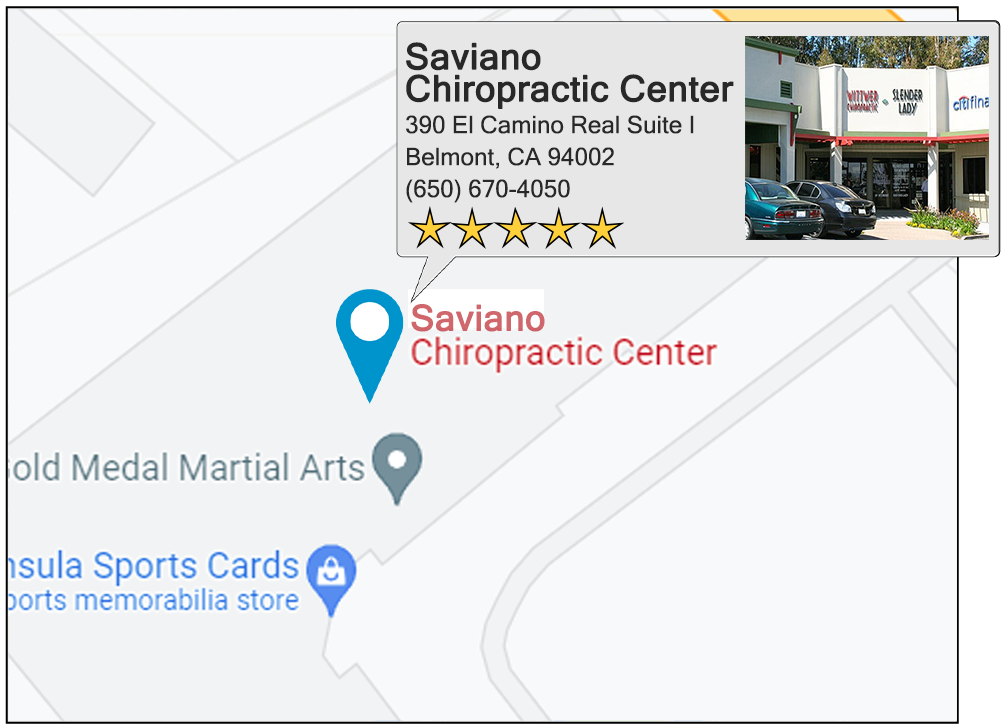
If you want help deciding which category you fall into, Saviano Chiropractic is equipped for injury evaluations and conservative care. The easiest next step is to schedule an appointment and bring any ER or urgent care notes you have.